
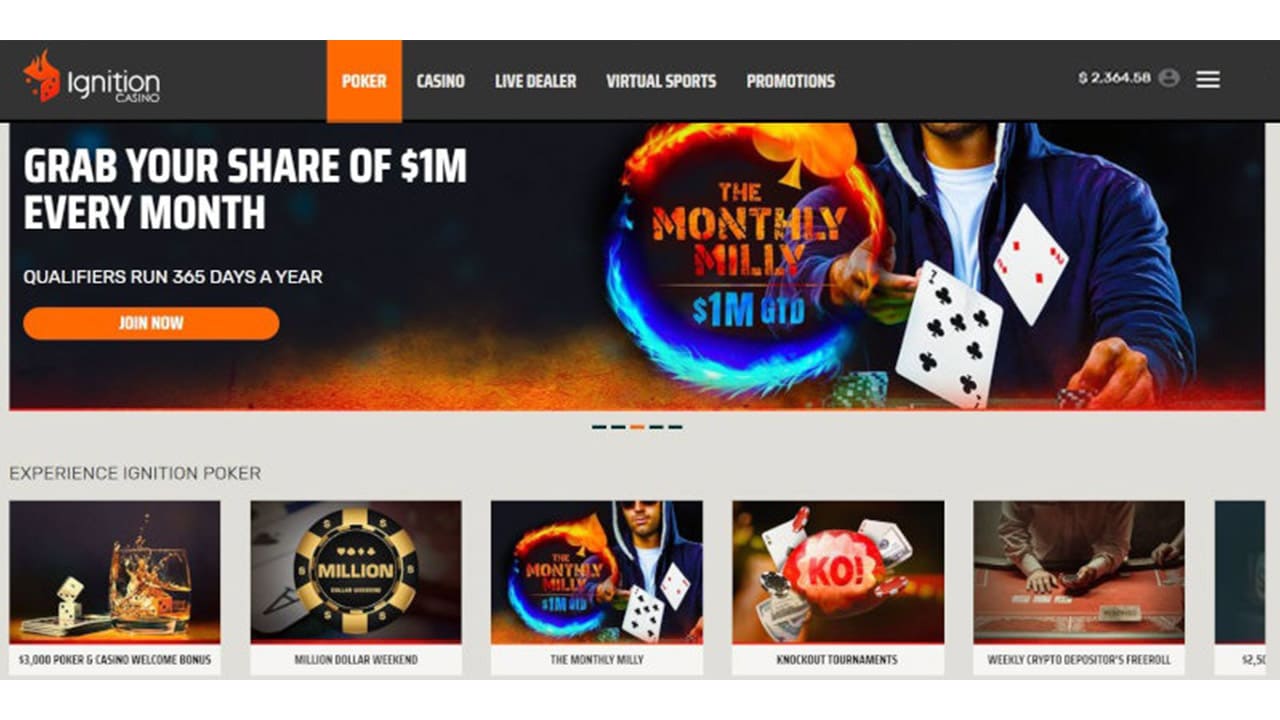
A casino lobby is more than a landing page—it serves as the nerve center of your whole session. At Slotlords Casino, the lobby works like a curated front door, linking you to hundreds of games in seconds. Once you grasp its layout, filters, and shortcuts, you shift from aimless clicking to smart, fast decisions. This guide explores every layer: how games are organized, how bonuses work, payment flow, and how it all works on any device—the type of detail that usually requires months of play to pick up.
The Architecture of the Lobby Interface
The lobby is built for speed as a priority, with detailed structure underneath. When you enter, you see a search bar, a row of main categories, and a strip of recommendations that shifts based on what’s trending. The page renders in stages, pulling thumbnail images from a CDN so you’re not stuck for everything at once. Behind the scenes, each game gets labeled with attributes—provider, volatility, feature type, theme—so the filter engine can adjust to a click without reloading the whole page.
A sticky top menu holds its place as you scroll, holding the main sections: slots, live casino, table games, promotions. On the left, a collapsible sidebar offers you quick filters for providers, jackpot status, and alphabetical sort. Keeping these quick-access tools apart from the deeper filters reduces clutter, but still lets power users drill down fast. The lobby feels light, yet it supports a growing library without turning into a mess.
Load speed counts. The lobby grabs metadata for the most popular games ahead of time and only loads thumbnails as you scroll down—lazy loading. That maintains the first paint fast, especially on mobile. In tests, interactive elements appear within a couple of seconds on a normal broadband connection. Even on slower networks, the lack of heavy animations means you can still move around smoothly without the thing seeming stripped down.
Mastering the Lobby Like an Experienced Player
Veteran players build routines that turn the lobby into a effective tool. Step one: adjust the default view. Ditch the promotional carousel for a streamlined grid with provider filters on. That eliminates marketing noise immediately. Store that preference in account settings, and every login takes you to a workspace, not a billboard. The mental load difference between the default view and a personalized dashboard builds fast over many sessions.
Where demo mode is accessible, use it to try a game’s mechanics without risking cash. The demo button pops up when you move over eligible thumbnails. A seasoned player spends a few minutes in demo examining hit frequency, how often bonuses fire, and the overall pace. That small upfront time investment often spares you from the frustration of funding into a game that just feels off for your rhythm.
The provider filter is an underutilized gem that can reduce your search time. If you understand you like the math models from a certain studio, one click separates their whole catalog. Then arrange by release date to see the newest stuff, or by popularity to find what the crowd is trying. Combine provider and feature filters—say, high-volatility slots from one developer—and you obtain a laser-focused discovery path that generic browsing can’t match.
A disciplined approach to the promotions hub yields results. Instead of grabbing every offer, a seasoned player checks the game contribution table first. Slots usually contribute 100% toward wagering, but table games and live dealer titles often contribute much less—sometimes just 5% or 10%. The lobby presents this table inside each promotion’s detailed terms. Weighing contribution rates converts a simple yes/no bonus decision into a considered value check.
Game Categories and What They Actually Deliver
Slotlords Casino organizes its library into clear-cut, action-focused categories. No vague labels—slots, table games, live dealer, jackpots, and instant-win games each serve as their own pillar. Every category page features the same filter system but incorporates sub-filters that make sense for that type. The point goes beyond a list; it’s to address “what should I play next?” with as little effort as possible. The real payoff arises from how these categories relate to the range of providers and the depth of features.
Slots and Their Underlying Mechanics
Slots take up the most space in the lobby, which makes sense given how many different mechanics are present. You can filter by payline setup, reel layout, bonus buy option, and volatility. This isn’t merely cosmetic—a high-volatility Megaways game behaves nothing like a low-volatility classic three-reeler. The lobby presents these details with small tags and tooltips, so you can pick without jumping out of the browsing flow. Provider names like NetEnt, Pragmatic Play, and Play’n GO surface as clickable shortcuts.
A carousel near the top shows new releases, refreshed often as new studio deals land. Next to it, a “trending” section pulls from actual play data to spotlight games that are picking up steam with the current crowd. That mix balances what the casino wants to push with what players are actually enjoying. You can also flip to a compact grid view that crams more thumbnails onto the screen—handy if you browse by look and feel rather than by name or feature list.
Table Game Selection and Real-Time Dealer Integration
The table games section gathers all the digital RNG versions—blackjack, roulette, baccarat, poker variants—into one hub. Hover over a thumbnail and you’ll see the rule set, theoretical RTP, and minimum bet. That transparency counts because a blackjack game paying 3:2 versus 6:5 changes your long-term expected value a lot. The lobby also separates single-hand from multi-hand formats, so you can grab a game that fits whether you’ve got five minutes or an hour.
Live dealer tables blend the ease of digital play with the feel of a real casino. The lobby gives them their own section, complete with live dealer snapshots, seat availability, and language tags. You can filter by game type, bet limits, and even specific dealers when the studio supports it. Stream quality adjusts to your connection, but the lobby always shows a small signal-strength icon before you take a seat, so you’re not hit with a dropout mid-hand.
Jackpots and Instant-Win Sections
The jackpot section combines progressive, daily, and fixed-prize titles into a single screen, with live tickers showing current prize totals when available. You can sort by jackpot size or by time remaining until a guaranteed drop—that introduces a bit of strategy to picking a game. The lobby identifies which jackpots are shared across multiple casinos and which are exclusive to Slotlords, so you understand what’s behind the numbers.
Instant-win games—scratch cards, crash games, virtual sports—are located in a small yet expanding section. They suit a different rhythm: short rounds, fast results. The lobby holds them apart from slots because the way you engage and the risk profile are fairly distinct. A sub-filter for round duration lets you find something that matches a five-minute break without skimming past a ton of stuff that doesn’t work.
Understanding the Sign-Up Promotion and Recurring Promotions
Promotions live in their dedicated hub, not as bothersome pop-ups. New players typically see a matched deposit bonus on their first deposit, often bundled with free spins distributed over a few days. The match percentage, max bonus, and minimum qualifying deposit are all shown in a collapsible terms panel directly on the promotion tile. That same panel details the wagering requirement multiplier, game contribution rates, and any max bet cap while the bonus is active.
Past the welcome offer, there’s a shifting calendar of reload bonuses, cashback deals, and slot tournaments. Each one displays a countdown timer and, where it fits, a progress bar so you can observe how close you are to the next reward tier. The real numbers that are important aren’t the headline figures—it’s how wagering requirements, eligible games, and time limits interact. The lobby encourages you to review the full terms before opting in, with a direct link to the policy page.
A loyalty or VIP system functions in the background, accumulating points from real-money play. The lobby might display a small points counter and a link to a rewards store where you can trade points for lop.parl.ca bonus credit or real perks. Conversion rates and tier thresholds can change, but having a clear tracker straight in the lobby indicates you the program is built for long-term play, not just a sign-up hook. Visit the dedicated loyalty page for the latest tier benefits.
Mobile Support and Cross-Device Play
Slotlords Casino doesn’t demand a separate app—the lobby functions as a progressive web app in any modern mobile browser. The layout adjusts game grids, menus, and the cashier to fit everything from a small phone to a big desktop screen. Touch targets adhere to accessibility guidelines, and there’s no horizontal scrolling. Because it’s browser-first, you can begin on a laptop, continue on a tablet during a commute, and complete on your phone without losing any features.
How well games run on mobile partially depends on each provider’s HTML5 work, but the lobby helps by trimming background processes when a game is open. It stops non-essential animations and pre-fetching while you’re playing, which conserves battery and minimizes heat throttling on older phones. The lobby also recalls your preferred view—grid or list—across sessions, synced as a lightweight account setting instead of a device cookie.
For live dealer games, the mobile lobby utilizes a streamlined player that favors audio-video sync over max resolution. You can manually toggle to a higher bitrate if your connection can handle it. In portrait mode, chat and bet controls arrange below the stream; landscape offers you a side-by-side layout. These choices indicate that mobile was built into the design from the start, not tacked on later.
Security, Licensing and Fair Play Foundations
Reliance in a casino lobby comes down to security signals you can see and check yourself. Slotlords Casino possesses a license from a established European regulator, with details in the footer of every page. That license mandates strict rules on keeping player funds separate, data protection, and game fairness testing. The lobby presents the license seal as a clickable link that performs a real-time validity check, so anyone can validate the operator’s status without taking marketing at face value.
Data Security and Encryption
Every bit of exchange between your device and the lobby servers is encrypted with TLS using modern cipher suites. You can inspect the certificate chain through your browser’s standard tools. Personal data lies in encrypted databases with access controls that limit internal visibility to only the roles that absolutely demand it. The privacy policy, linked in the footer, outlines data retention periods and your rights under data protection laws, including the right to ask for your data to be deleted.
Two-factor authentication is offered as an optional extra layer. Turn it on, and the lobby requires a time-based one-time password along with your usual login. That’s especially beneficial if you’re on a shared or public network. Setup resides in account settings, and you’ll get recovery codes when you enable it. The lobby also records access events and displays your last login timestamp, so you can quickly spot anything fishy.
Gaming Fairness and RNG Auditing
Every game utilizes an RNG certified by an independent testing lab. The exact lab differs by provider, but the lobby points to the fairness certificate or RTP docs when the studio exposes them public. For slots, the theoretical RTP is often shown in the game’s info panel before you even spin. That kind of upfront disclosure lets you pick games that align with your own risk comfort.
The operator is unable to tweak game outcomes or modify the house edge on the fly click for details. Game servers and the lobby are isolated—the lobby just launches games and monitors your session. That separation is a core security principle: no single point of failure can mess with game integrity. Regular penetration tests and vulnerability scans by outside cybersecurity firms fortify the lobby against injection attacks and data leaks.
Financial Transactions: Payments, Cashouts and the Details
The banking section, reached from the top bar, brings all payment actions together. Slotlords Casino supports major credit and debit cards, e-wallets, prepaid vouchers, and direct bank transfers. The list you see varies by your country—the lobby filters available methods automatically based on your registered location. Each method tile indicates min and max transaction limits, any fees, and typical processing times for deposits and withdrawals.
How Deposits Work and Immediate Crediting
Deposits complete instantly for most e-methods, and your balance changes within seconds. Card payments may need a one-time SCA (Strong Customer Authentication) step, which the interface handles in a secure inline frame. The lobby does not keep your full card details—tokenization holds sensitive data with the payment processor. You can keep preferred methods for quicker repeat deposits, though you’ll still need to re-verify each session for security.
Minimum deposits are set to cater to casual players—usually €10 to €20 or the equivalent. The lobby maintains this at the input stage: the submit button is greyed out if you’re below the threshold. High-volume players can apply for higher deposit limits through the responsible gambling tools, available right from the cashier. Integrating limit-setting into the deposit flow demonstrates that player protection isn’t an afterthought.
How Withdrawals Work and Identity Checks
Withdrawals use a clear workflow you can track in the transaction history panel. After you submit, a status indicator transitions from “pending” to “processing” to “completed.” E-wallet payouts often arrive within 24 hours; card and bank transfers might require three to five business days. Those are standard industry windows, and the lobby provides an estimated completion date based on your method right when you submit.
You need to complete a KYC (Know Your Customer) check before your first withdrawal. The lobby asks you to upload ID documents through an encrypted portal, with clear instructions on file formats and accepted document types. Reviews usually finish within 48 hours, though busy periods can stretch that a bit. Once verified, later withdrawals skip this step unless your account details change. The document status tracker in the lobby removes the guesswork out of a process that’s often a headache elsewhere.
What Makes the Lobby Apart versus Competitors
Many lobbies offer the same games and similar bonuses. What sets one apart is how it cuts friction and handles you like an adult. Slotlords Casino created a recommendation engine that analyzes your play history and suggests titles with aligned volatility and feature preferences, not just whatever deal they have with a studio. Those picks surface in a “For You” strip, and you can ignore or adjust them by giving feedback on each suggestion.
The search bar does more than match titles. It organizes game descriptions, feature keywords, and even theme tags, so typing “Egyptian free spins” brings up relevant slots even if the precise wording isn’t in the name. The search index updates regularly, incorporating new releases within hours of them going live. If you are certain what you want, the search bar works as a shortcut: type a provider name then a game title, and you jump straight to that game’s page.
Another standout is how openly it deals with your session history and spending. The lobby provides you with a detailed activity log—every bet, win, deposit, withdrawal—in a sortable timeline. You can filter by date range, game type, or transaction category, save the data for your own records, and configure custom alerts for deposit milestones. That kind of financial transparency is not standard yet, and it signals an operator that prioritizes long-term trust than short-term numbers.
Responsible gambling tools are located in the main navigation, not buried in a submenu. Deposit limits, loss limits, session time reminders, and self-exclusion are all one click away from the account icon. You can configure a reality check to pop up a gentle overlay at intervals you select, showing how long you’ve been playing and your net position. These are not similarweb.com positioned as punishments—they’re just standard customization options, which makes them feel normal and removes the stigma that stops some players from using them.